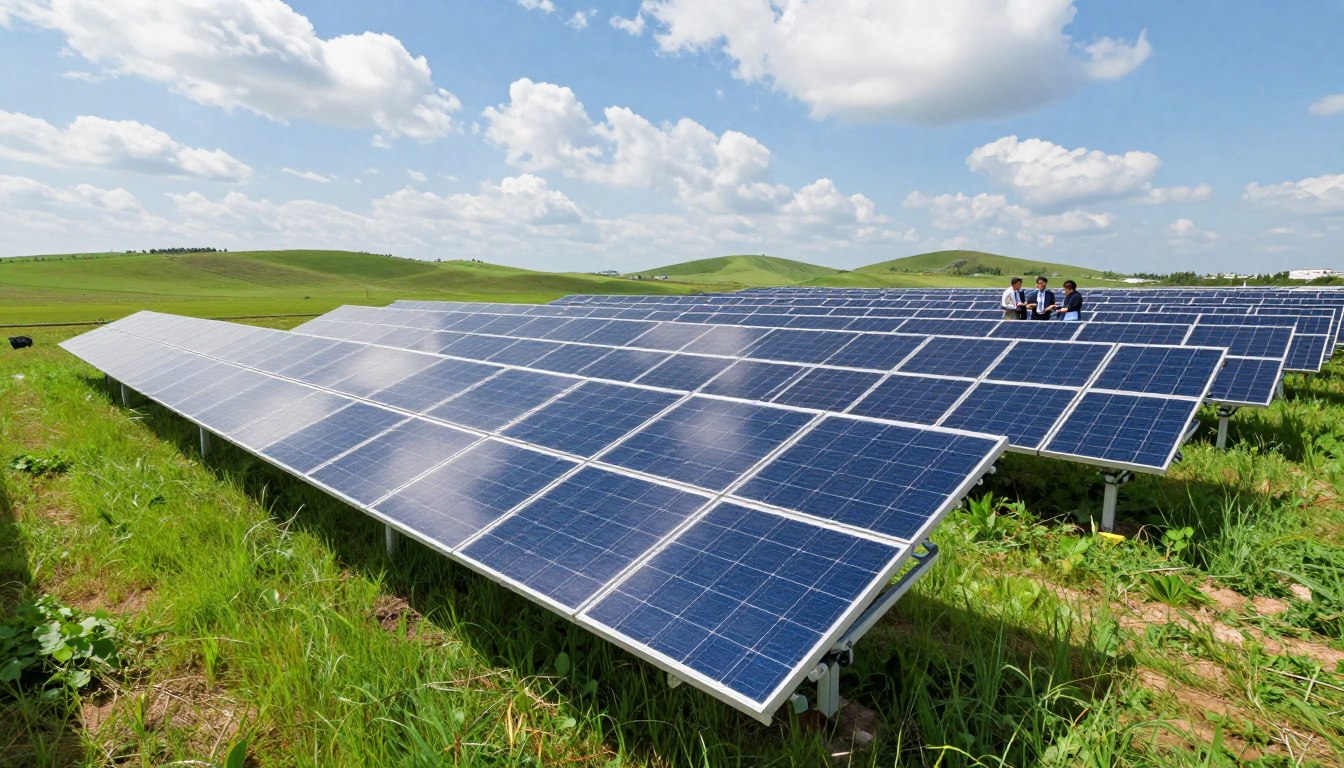
Are you tired of seeing your utility bills go up every year? Many homeowners in the United States are now using solar panels to fight these rising costs. This switch lets you control your budget and enjoy long-term savings.
Switching to solar power is more than a trend; it’s a smart choice for your home. It lets you use renewable energy, saving money and helping the planet. Choosing clean energy is a simple step that benefits your family’s finances for years to come.
By making this choice, you help create a better future for all. You’ll see how these systems make your home more efficient. Switching is a win for your wallet and the planet.
Key Takeaways
- Rising utility costs are driving more Americans to seek alternative energy solutions.
- Installing home systems provides significant long-term financial savings on monthly bills.
- Adopting sustainable technology increases your household energy independence.
- Transitioning to these systems supports a broader national shift toward green power.
- Investing in your home today creates lasting economic and environmental value.
Understanding the Financial Impact of Solar Panels
Getting solar panels is more than good for the planet; it’s also smart for your wallet. It changes how you see powering your home, leading to big savings over time. This switch lets you break free from old utility habits and step into a more independent financial future.
Lowering Monthly Utility Costs Through Self-Generation
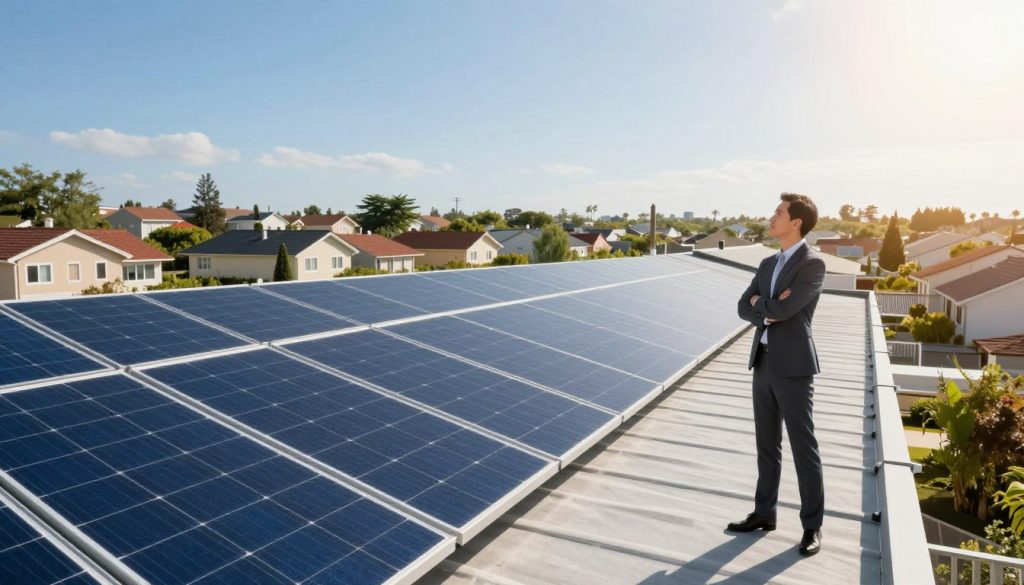
Putting solar panels on your roof starts you making your own electricity. These photovoltaic cells turn sunlight into power for your home. This means you use less from the grid, cutting down your bills.
The more power you make, the less you buy from others. This keeps your energy costs stable for years. It’s like locking in your rates.
Taking Advantage of Net Metering Programs
Often, your solar power makes more than you use during the day. Net metering lets you send extra power back to the grid. Your utility company gives you credits for it.
These credits help cover costs when you use power at night or on cloudy days. It’s a highly efficient way to use all your energy. Joining these programs makes your solar investment work harder.
Increasing Your Property Value with Sustainable Technology
Installing sustainable technology also raises your home’s value. Buyers want homes with the latest, energy-saving features. A house with solar is seen as a premium property.
The table below shows how solar changes your finances:
| Feature | Traditional Grid Power | Solar Energy System |
|---|---|---|
| Monthly Costs | Variable and Rising | Predictable and Lower |
| Energy Source | Fossil Fuels | Renewable Energy |
| Property Value | Neutral | Increased |
| Grid Reliance | Full Dependence | Self-Generation |
Key Incentives and Tax Credits for US Homeowners
Lowering the cost of your solar panel installation is easier with federal and state programs. The financial side of renewable energy can seem tough, but the benefits are worth it. Knowing these options makes switching to clean energy affordable and easy.
Maximizing the Federal Solar Investment Tax Credit
The federal government has a great tool called the Investment Tax Credit (ITC). It lets you deduct a big part of your system costs from your taxes. This is a top way to cut down the initial cost of solar power.
“The transition to renewable energy is not just an environmental choice; it is a sound financial strategy that pays dividends for years to come.”
Exploring State-Specific Rebates and Green Energy Grants
Many states also offer financial help for green energy. These can be rebates or grants that reduce your costs. Check with your local utility or state energy office for what’s available in your area.
These incentives help people switch from traditional energy. Using them with federal credits can save you even more. It’s a smart way to keep your solar panels affordable.
Reducing Installation Costs with Performance-Based Incentives
Performance-based incentives (PBIs) pay you for the electricity your system makes. Instead of a discount upfront, you get payments over time. This rewards you for your system’s long-term efficiency.
- Monitor your system output to ensure peak performance.
- Check if your local utility offers feed-in tariffs for excess solar power.
- Consult with your installer to optimize your system for maximum yield.
Using these incentives means your green energy choice keeps paying off. Staying up-to-date on these financial tools helps your wallet and the planet.
Long-Term Savings and Energy Independence
Getting energy independence starts with your first solar panel installation. You become a producer of renewable energy instead of just using it. This change brings a sense of security that old energy models can’t offer.
Protecting Your Budget Against Rising Utility Rates
Utility rates often go up, making budgeting hard. But with a solar energy system, your electricity costs stay low for decades. This lets you budget better, knowing you’re safe from price changes.
“The transition to clean energy is not just an environmental choice; it is a smart financial strategy for every American homeowner.”
Calculating the Return on Investment for Your Solar Energy System
To see the real value of your investment, look at the payback period. This is how long it takes for your savings to cover the cost of your solar panels. Most people see their systems pay off in seven to ten years, then enjoy free electricity for years after.
| Factor | Traditional Grid | Solar Power |
|---|---|---|
| Monthly Cost | Increasing | Fixed/Low |
| Energy Source | Fossil Fuels | Renewable Energy |
| Asset Value | None | Increases Home Equity |
Extending the Lifespan of Your Photovoltaic Cells
Keeping your photovoltaic cells in top shape is key. They’re designed to be easy to maintain, but an annual check can catch problems early. Clean panels mean more energy all year.
Use apps to monitor your system’s performance. This helps you spot small issues before they get big. Taking care of your panels means they’ll keep working well for twenty-five years or more. Investing in quality now means a brighter, cheaper future for your home.
Conclusion
Your journey to energy freedom begins with choosing the sun. Switching to solar energy lets you escape the ups and downs of traditional power companies.
It’s more than just saving money. You join the worldwide move to clean energy. Every watt you make helps the national grid and cuts down on pollution.
Thanks to new tech, going green is simpler than before. Homeowners in the U.S. have the tools and help to make their homes energy-smart. Picking solar energy is good for your wallet and the planet.
Begin looking into it today to see your savings. Your journey to a greener, cheaper future is just a step away.